Utah's Two Internets
Utah has a split personality when it comes to connectivity. The Wasatch Front -- the urban corridor from Ogden through Salt Lake City to Provo -- has some of the best broadband in the country, including UTOPIA fiber and multiple cable options. Step outside that corridor, and you're in a different world.
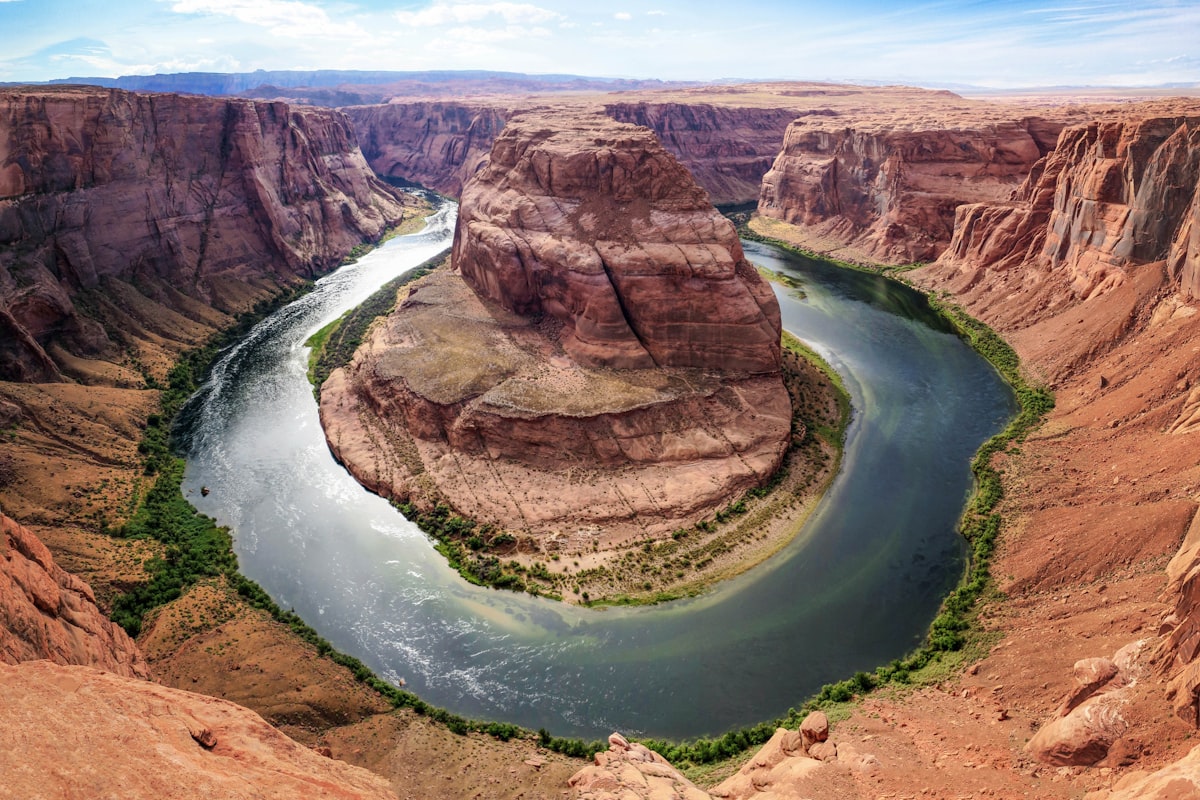
Southern Utah, the Wasatch Back, and the vast western desert are home to communities, ranches, and off-grid properties that traditional broadband has never reached. The landscape is spectacular and remote. Towns like Boulder, Escalante, Torrey, and Bluff are surrounded by some of the most iconic terrain on Earth, but their internet options are limited to slow DSL, unreliable fixed wireless, or nothing.
Off-Grid Properties Near the Parks
Utah's five national parks (Zion, Bryce Canyon, Arches, Canyonlands, Capitol Reef) plus Grand Staircase-Escalante, Bears Ears, and dozens of state parks attract visitors and new residents alike. The land around these parks is increasingly dotted with off-grid and semi-off-grid homes built by people who want to live close to public lands.
Off-grid Starlink installation has specific requirements:
Power. Starlink draws 40-100 watts depending on conditions. An off-grid solar system needs to account for this continuous draw. Most well-designed off-grid solar installations with battery storage can handle it, but marginal systems may struggle, especially during cloudy winter days when the dish heater activates and power draw increases to the upper range. We assess power capacity during site evaluation and let you know if your system can handle the load.
Mounting on unconventional structures. Off-grid homes in Utah range from professionally built straw-bale houses to shipping container conversions to yurts. Not all of these have standard roof structures. We frequently use standalone pole mounts with concrete footings for properties where the building can't support a roof mount. In sandy or rocky desert soil, we adapt our footing approach -- sometimes using surface-weighted mounts on exposed slickrock.
Remote access. Off-grid properties near the parks are often at the end of rough dirt roads. We bring everything we need in one trip because there's no running back for supplies. Winter access can be limited on some roads, so timing installations for accessible conditions is important.
The Canyon Challenge
Utah's canyon geography creates a unique installation problem that doesn't exist in most other states. If your property is at the bottom of a deep canyon -- not uncommon along the Colorado River, in Castle Valley, or in the narrow valleys of the Wasatch -- you may have limited sky view. The Starlink constellation orbits at about 340 miles altitude, but the dish needs a wide field of view, not just a narrow window of sky directly overhead.
We've installed in locations where canyon walls blocked 20-30% of the sky. In these situations, honest assessment matters more than optimistic sales pitches. Sometimes the answer is that Starlink will work but with more interruptions than ideal. Sometimes a property has a specific mounting location -- a ridge above the house, an outbuilding on higher ground -- that dramatically improves sky access. And occasionally, the canyon is simply too deep and narrow for reliable satellite service. We'd rather tell you that upfront than take your money for an installation that won't perform.
The Wasatch Back
Park City, Heber, Midway, Kamas, and the surrounding area form what Utahns call the Wasatch Back. This region has grown rapidly as a recreational and remote-work destination, but broadband infrastructure hasn't kept pace. Properties in the Jordanelle area, upper Weber Canyon, and the valleys east of the Wasatch Range often have limited options.
What makes the Wasatch Back interesting from an installation standpoint is the altitude and snow load. Properties at 7,000-9,000 feet get significant snowfall. The Starlink dish heater works well in dry Utah powder, which slides off easily. But heavy spring snow, especially the "Sierra cement" that sometimes arrives from the west, can accumulate on the dish. Steep mounting angles and positions exposed to wind (which helps clear snow) give the best winter performance.
Pricing and Plan Selection
For most Utah users:
Equipment is $349. Off-grid properties should budget for any additional mounting hardware beyond the standard kit, especially if a custom pole mount is needed.
The Tourism Economy Connection
Many properties in southern Utah generate income through vacation rentals, guided tour operations, or small hospitality businesses. For these properties, Starlink isn't just personal convenience -- it's business infrastructure. A vacation rental near Moab without Wi-Fi is leaving money on the table. Guest expectations for connectivity have risen sharply, and listings that advertise "high-speed satellite internet" perform better in bookings.
We've installed at several lodges and rental properties near Capitol Reef, the San Rafael Swell, and the La Sal Mountains. In every case, the property owner reported that the Starlink cost was recovered through improved booking rates within the first season.
Getting Connected in Utah
Utah's landscape demands an installation approach that accounts for canyon shadowing, off-grid power, snow load, and remote access. We've worked across the state from the Arizona Strip to the Uinta Basin. Book an installation and we'll evaluate your specific property to determine the best setup for where you are.
Disclaimer: Starnet Pros is an independent, third-party contractor specializing in commercial mounting, cabling, and custom hardware installation services. We are not affiliated with, authorized by, sponsored by, or an official partner of Starlink or SpaceX. All product names, trademarks, and registered trademarks (including “Starlink”) are the property of their respective owners and are used here solely for descriptive purposes to identify the equipment being installed.